3-Subject Open Benchmark · Krea 2 int8 & MOSS Image · ZenTrainer
SparseID: CPU Latent-Crop Face Identity Supervision for Rectified-Flow LoRAs
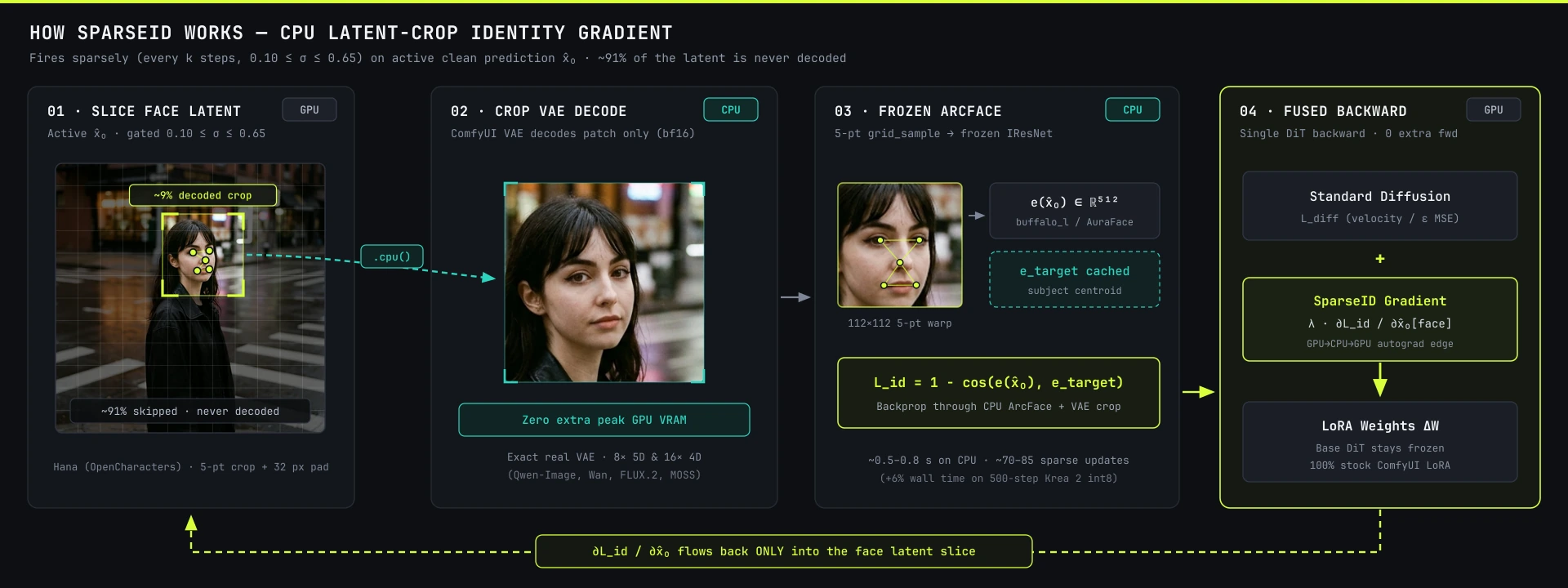
x̂₀ transfers to CPU for VAE decode and frozen 5-point ArcFace loss; on wide in-the-wild shots like Hana above, ~91% of the latent is never decoded, keeping peak GPU VRAM unchanged while PyTorch autograd routes λ · ∂L_id / ∂x̂₀[face] straight back into the single LoRA backward pass.
00 Side-by-Side Visual Comparison (Matched Seeds)
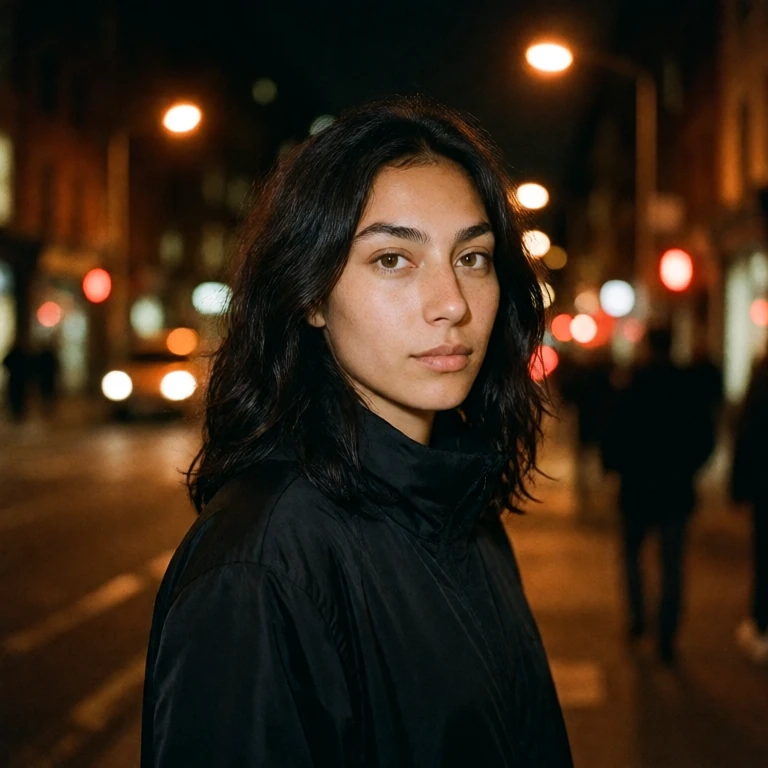
Each row shows three uncut faces side by side: a strictly held-out reference photo never seen during training, standard flow matching (Control), and SparseID on the exact same seed. Comparing full faces side-by-side highlights four distinct failure modes where flow matching drifts and SparseID locks identity: trigger-only wrong-gender priors, hair-color eye/identity drift, harsh night lighting, and 250-step facial artifacts.
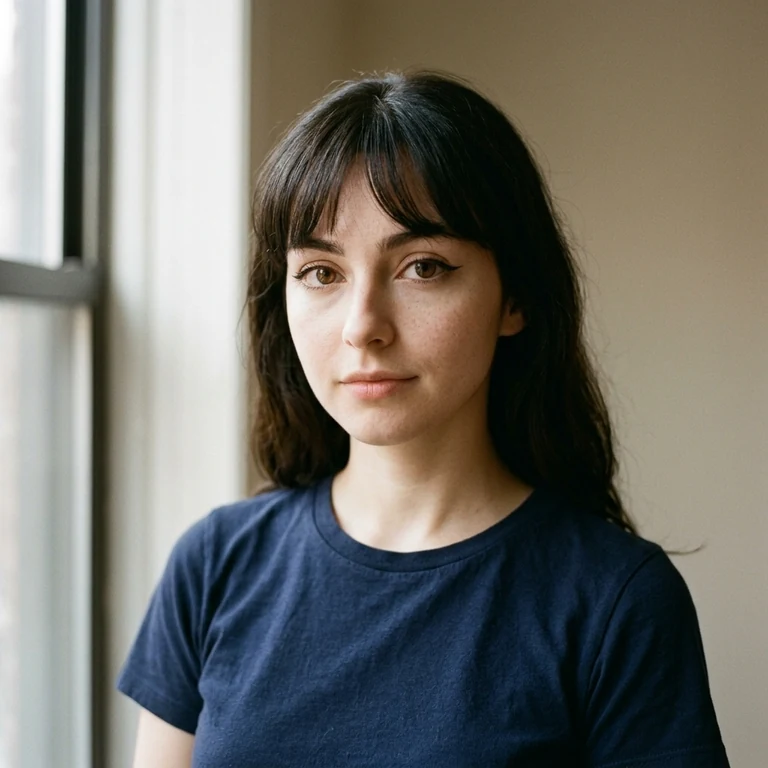
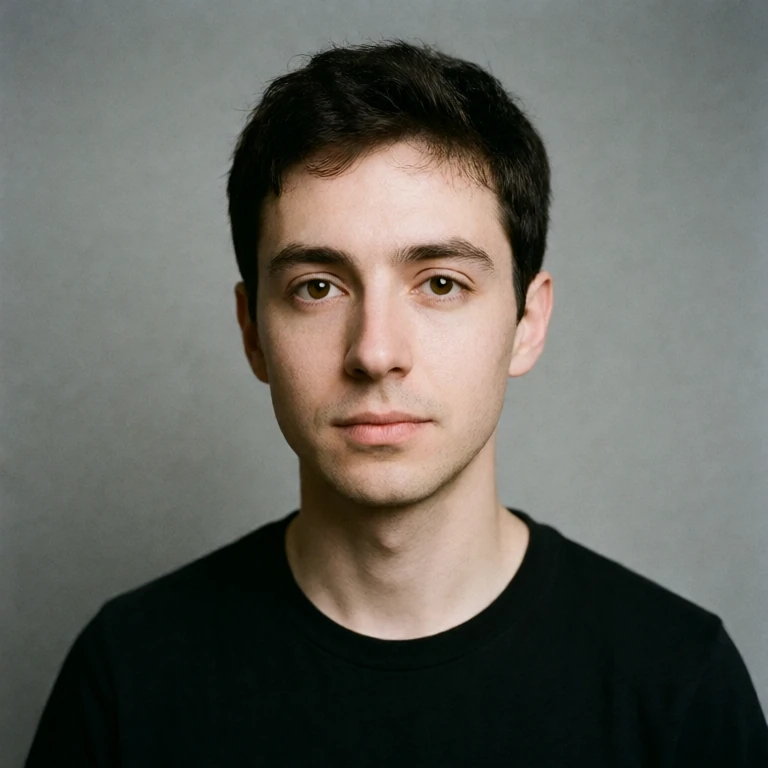
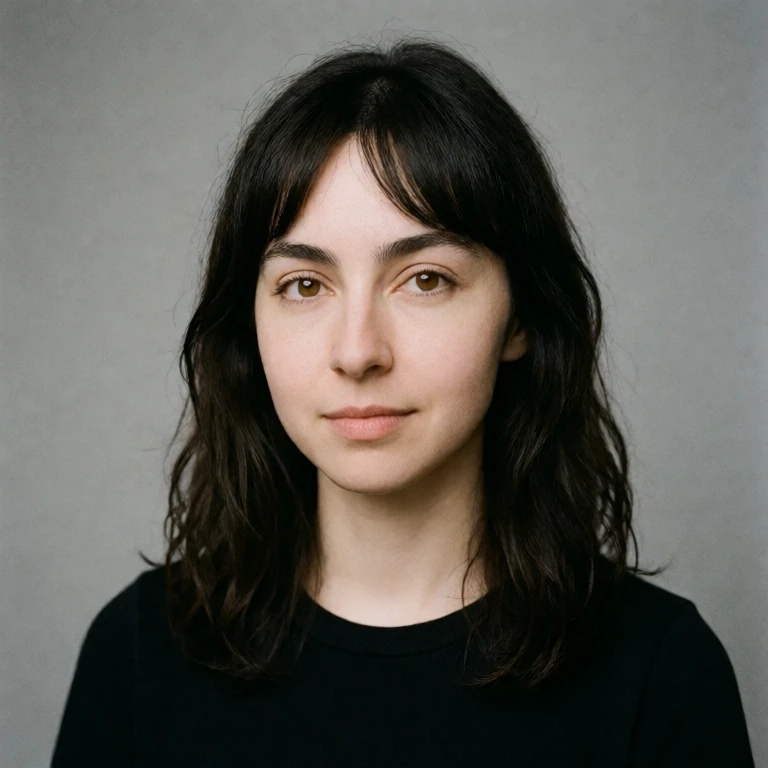
"a woman", Control collapses to Krea 2's male studio prior (0.39); SparseID binds the trigger directly to Hana (0.71).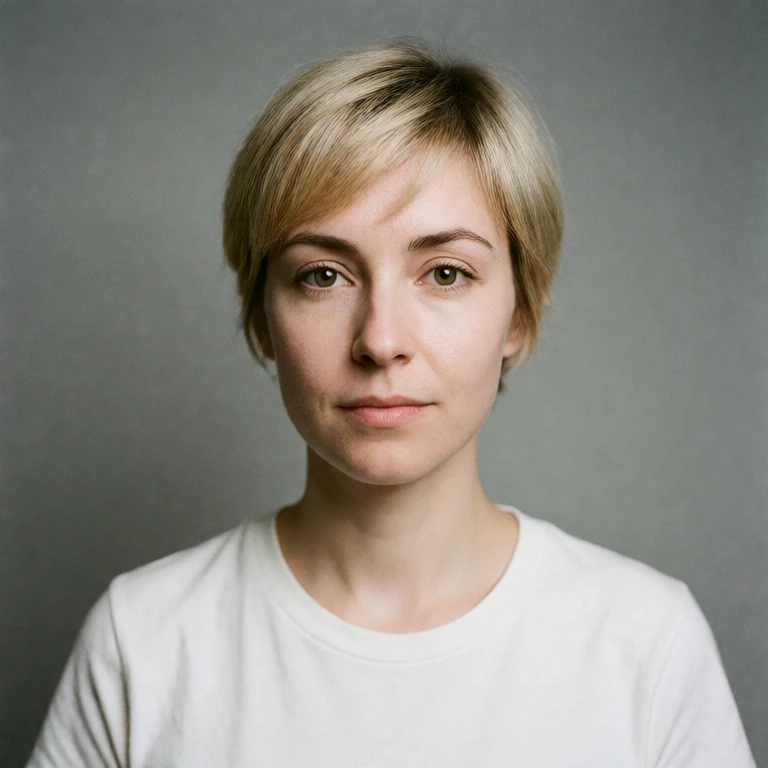
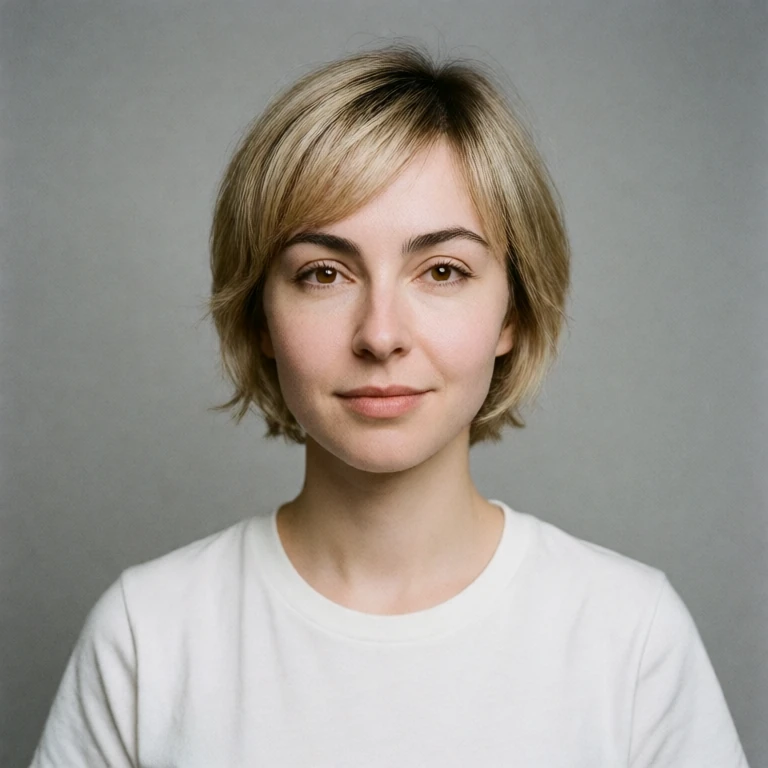
0.43); SparseID preserves Hana's warm brown eyes, brows, and nose while following the blonde override (0.69).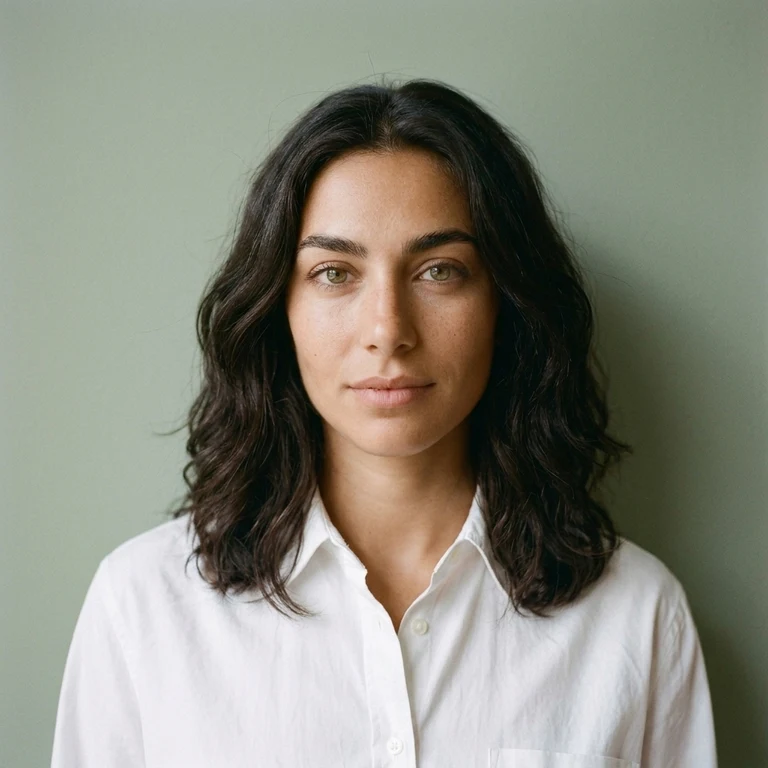
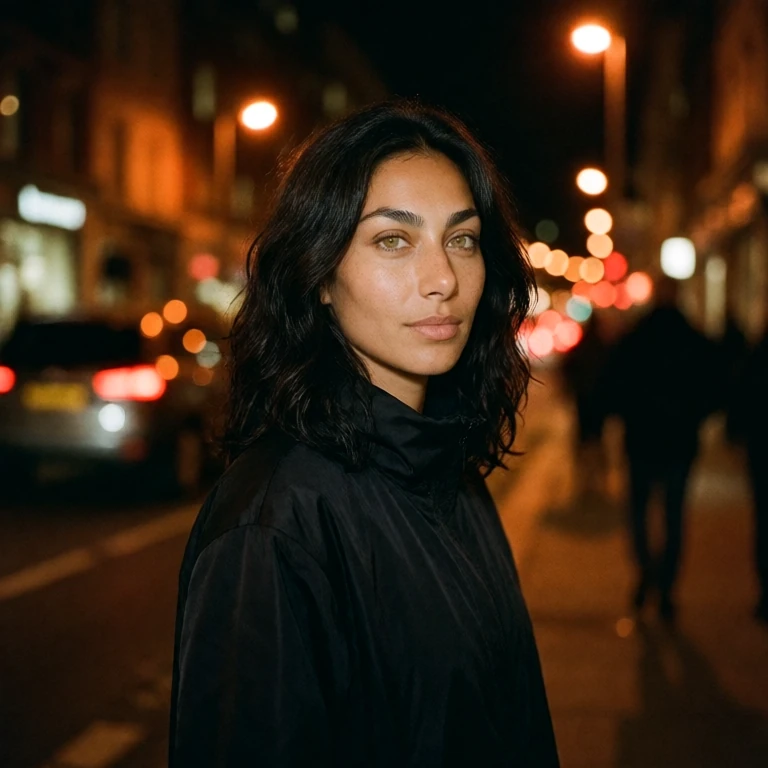
0.59); SparseID holds Sora's bright hazel-green eyes, arched brows, and cheekbones (0.79).
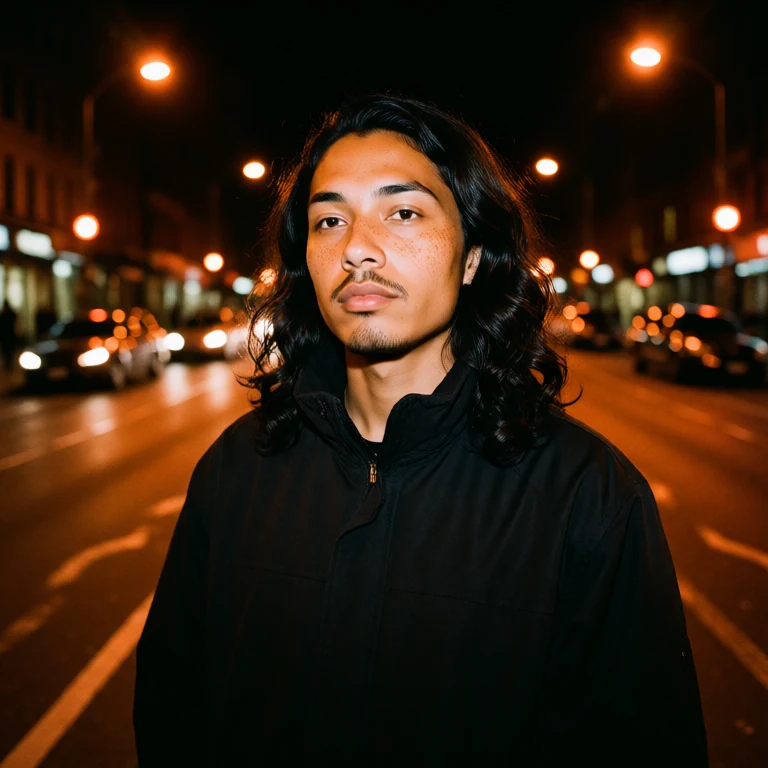
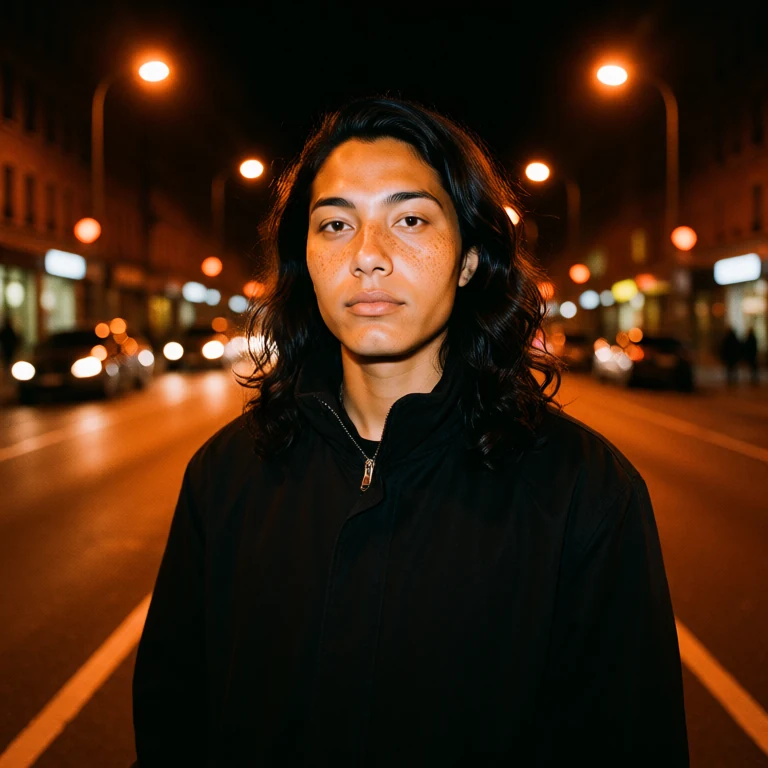
0.51); SparseID eliminates it completely and locks Mira's face in 43 sparse updates (0.74).01 Method & Scope
Decoding x0_pred, scoring with frozen ArcFace, and backpropagating through the VAE is established in personalization literature (PortraitBooth, PuLID, ConsisID) and in ai-toolkit-perceptual. SparseID focuses on single-GPU quantized DiTs: slice only the padded face patch in latent space (~9–16% area), decode through the exact real VAE on CPU in bf16, warp via differentiable 5-point grid_sample, and fire sparsely (0.10 ≤ σ ≤ 0.65, every = 2).
Pure-PyTorch SCRFD/YuNet extracts upright-pixel landmarks and an outlier-filtered LOO ArcFace centroid per trigger.
Slice face + 32 px context from x̂₀ (~9–16% area) and decode through the real VAE on CPU in bf16.
Differentiable 112×112 grid_sample + frozen ArcFace on eligible steps (0.10 ≤ σ ≤ 0.65, every = 2).
# Map upright original-pixel 5-point landmarks into the active stage bucket (e.g. 512 or 768 px)
left, top, right, bottom, grid = crop_plan(orig_size, points, latent_hw, stride)

# Slice face + 32 px receptive-field border; autograd preserves the GPU -> CPU -> GPU edge
raw = model.process_latent_out(x0_pred[j : j + 1])
z_crop = raw[..., top:bottom, left:right].to("cpu", torch.bfloat16)

with torch.autocast("cpu", dtype=torch.bfloat16):
    rgb = vae_decoder.decode(z_crop)  # ~16x smaller spatial patch, 0 extra GPU VRAM

# Differentiable 5-point ArcFace warp (112x112) with black padding in [-1, 1] space
crop = F.grid_sample(rgb.float().clamp(-1, 1) + 1.0, grid, align_corners=True) - 1.0
emb = F.normalize(iresnet(crop), dim=1)
loss = weight * (1.0 - (emb * target_centroid).sum()).to(x0_pred.device)
02 500-Step 3-Subject Benchmark (Hana, Sora, Kieran)
Matched 500-step Krea 2 int8 runs (512 px steps 1–125, 768 px steps 126–500, offloading on, 15.8–16.0 GB peak VRAM) trained with buffalo_l only and evaluated against 6 strictly held-out photos per subject across three recognizers (antelopev2, buffalo_l, Apache-2.0 AuraFace-v1).
Figure 2: Pooled 500-step 3-subject held-out cosine similarity (Hana + Sora + Kieran)
Gray = Control (flow matching) · Lime = SparseID CPU (70–84 updates) · Amber = Untriggered same-gender bleed (preserve off, lower is better)
42/42 matched-render wins across Hana, Sora, and Kieran (24/24 portraits, 12/12 changed-attribute overrides, 6/6 gender-neutral trigger-only probes) with lower held-out validation MSE on every subject. Gains transfer identically to both unseen recognizers (antelopev2 +0.143, AuraFace-v1 +0.143).
Figure 3: Per-subject 500-step held-out AntelopeV2 cosine similarity
Every individual subject improves +0.127 to +0.206 on both portraits and attribute overrides (Gray = Control · Lime = SparseID)
Consistency check: pooled gains aren't driven by a single subject — Hana, Sora, and Kieran each win 100% of their portrait and attribute-override renders.
| 500-Step Arm | Upd. | Time¹ | VRAM | Val | Av2 P | Av2 O | Neutral | Same-G ↓ | BL P | Au P |
|---|---|---|---|---|---|---|---|---|---|---|
| Pooled 3-Subject Control | 0 | 512 s¹ | 15.9 GB | — | 0.612 | 0.522 | 0.489 | 0.568 | 0.605 | 0.580 |
| Pooled 3-Subject SparseID CPU | 75 | 544 s¹ | 15.8 GB | — | 0.755 | 0.699 | 0.752 | 0.747 | 0.766 | 0.723 |
| Sora · Control | 0 | 513 s | 15.8 GB | 0.06731 | 0.614 | 0.552 | 0.420 | 0.632 | 0.602 | 0.635 |
| Sora · SparseID CPU | 72 | 545 s | 15.8 GB | 0.06668 | 0.792 | 0.722 | 0.805 | 0.808 | 0.791 | 0.758 |
| Sora · Early iREPA + SparseID | 72 | 546 s | 15.8 GB | 0.06693 | 0.785 | 0.737 | 0.630 | 0.793 | 0.787 | 0.770 |
Sora · Commercial AuraFace-v1 |
68 | 545 s | 15.8 GB | 0.06686 | 0.717 | 0.646 | 0.721 | 0.701 | 0.705 | 0.734 |
| Kieran · Control | 0 | 511 s | 15.8 GB | 0.06255 | 0.654 | 0.536 | 0.669 | 0.578 | 0.674 | 0.533 |
| Kieran · SparseID CPU | 70 | 542 s | 15.8 GB | 0.06251 | 0.779 | 0.742 | 0.821 | 0.750 | 0.801 | 0.706 |
Kieran · Commercial AuraFace-v1 |
66 | 543 s | 15.8 GB | 0.06248 | 0.702 | 0.657 | 0.754 | 0.636 | 0.699 | 0.746 |
| Hana · Control | 0 | —¹ | 16.0 GB | 0.07679 | 0.568 | 0.477 | 0.379 | 0.495 | 0.540 | 0.573 |
Hana · SparseID CPU (λ=0.02, every=2) |
84 | —¹ | 15.8 GB | 0.07637 | 0.695 | 0.632 | 0.630 | 0.683 | 0.706 | 0.705 |
| Hana · Early iREPA only (1–125) | 0 | —¹ | 15.8 GB | 0.07592 | 0.591 | 0.496 | 0.401 | 0.501 | 0.569 | 0.608 |
| Hana · Early iREPA (1–125) + SparseID | 84 | —¹ | 15.8 GB | 0.07661 | 0.666 | 0.626 | 0.750 | 0.673 | 0.671 | 0.677 |
| Hana · Noise-weighted + 50/50 hybrid | 84 | —¹ | 15.8 GB | 0.07570 | 0.684 | 0.617 | 0.480 | 0.633 | 0.685 | 0.672 |
Hana · SparseID + Prior-Latent DOP (every=4) |
95 | —¹ | 15.9 GB | 0.07726 | 0.649 | 0.621 | 0.606 | 0.592 | 0.659 | 0.669 |
¹ Wall-time note: Uncontended overhead is measured on the clean back-to-back Sora (513 → 545 s, +6.2%) and Kieran (511 → 542 s, +6.1%) sweeps: +31–32 s (+6.1%, ~0.44 s per CPU crop decode). The earlier Hana 500-step batch ran with intermittent background GPU contention (Control 719 s vs SparseID 626 s), so Hana wall times are omitted from the pooled timing comparison rather than skewing Control slower than SparseID.
Early DINOv3-L iREPA & Sparse Prior-Latent DOP
Two complementary techniques tested on Hana at 500 steps: (1) adding early DINOv3-L iREPA (steps 1–125) before SparseID flipped Hana's stuck gender-neutral seed cleanly (0.55 → 0.73; neutral mean 0.630 → 0.750), and (2) caching 8 generic base-model class latents (~2.3 MB) for Sparse Prior-Latent DOP (every = 4, w = 1.5) cut SparseID's extra untriggered "a woman" bleed roughly in half (0.683 → 0.592).
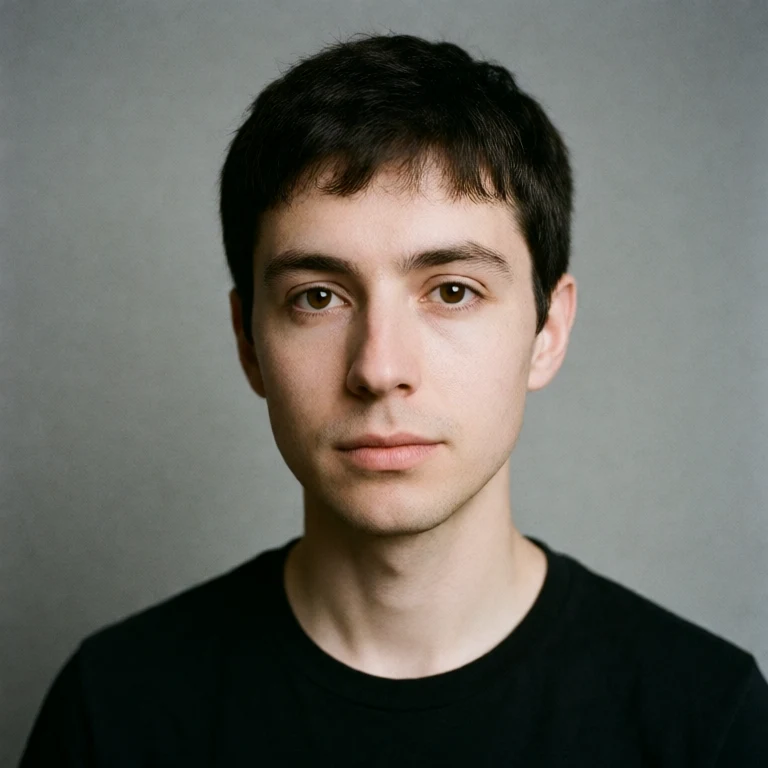
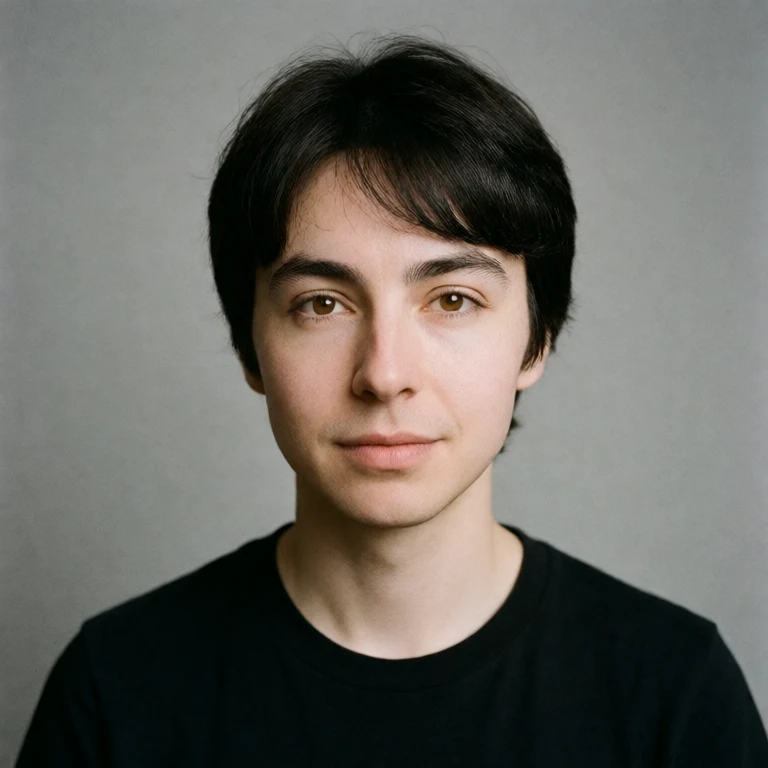
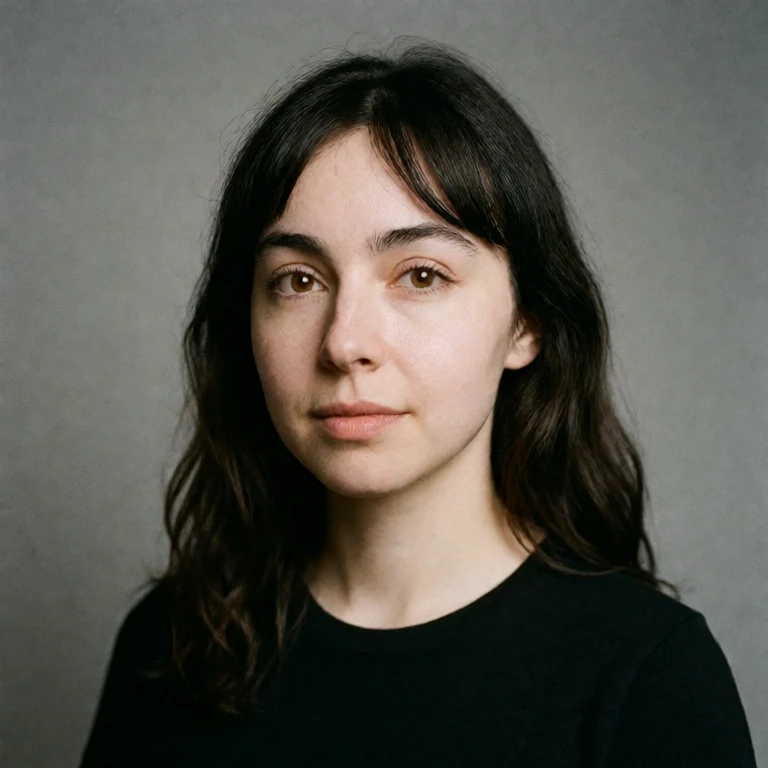
0.37); SparseID pulls the face toward Hana (0.55); anchoring global layout early with DINOv3-L iREPA flips the seed completely into Hana (0.73). (Subject-dependent: on Sora, SparseID alone already hit 0.805.)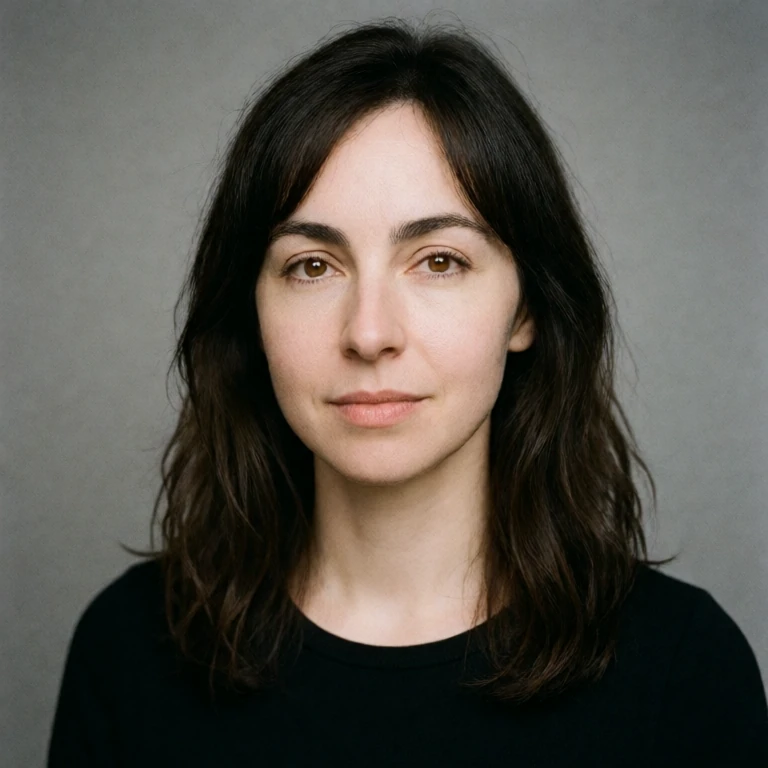
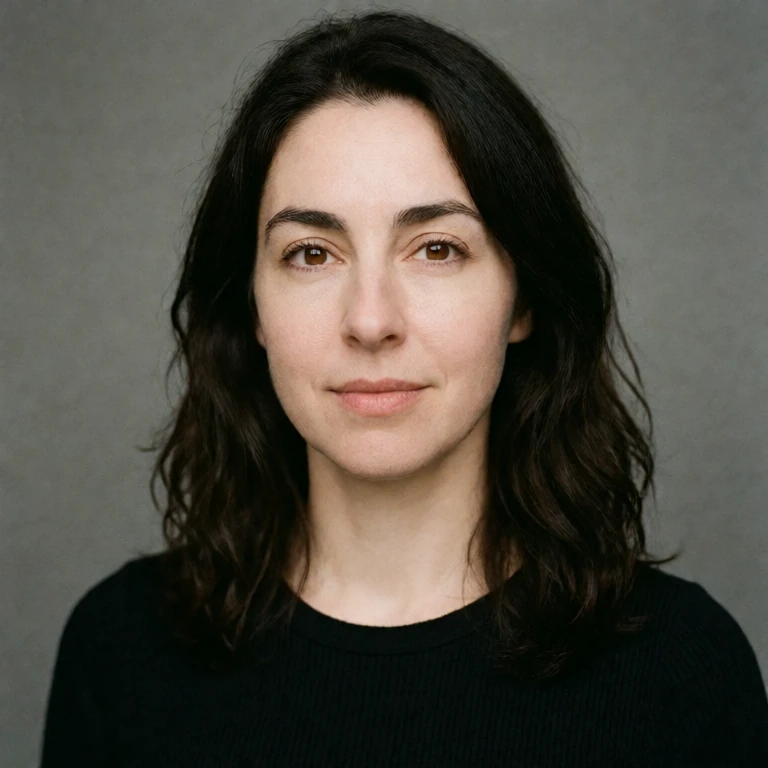
"a woman" prompts (seed 42, lower is better). Without DOP, SparseID leaks Hana's bangs and face onto generic prompts (0.70); running DOP on 8 independent base-model prior latents restores a distinct generic woman (0.61; mean 0.683 → 0.592) while keeping attribute overrides intact (0.621 vs. 0.632).
Standard DOP distills base(x_t, "a woman") on the noisy training latent x_t. At mid/low noise (σ ∈ [0.10, 0.65]), x_t still contains the subject's own face, so the base model denoises toward the subject and reinforces bleed. Sampling 8 generic class latents directly from the frozen base model (~2.3 MB, zero PNGs) and applying DOP sparsely on those independent latents cuts extra same-gender bleed roughly in half (0.683 → 0.592) at +0.1 GB VRAM. (Note: trainable attention layers are required so the adapter can gate trigger vs. class; MLP-only adapters cannot separate them.)
03 250-Step Ablations & MOSS 16× VAE
Controlled 250-step sweeps across Hana, Mira, and Tomas (16 arms total; 36/36 matched Krea 2 wins, 0.597 → 0.713 portraits) isolating weight λ, sparsity every, CPU vs. GPU crop, commercial Apache-2.0 AuraFace-v1, and a second architecture (MOSS Image Base with 32-channel 16× flux2-vae).
Figure 4: Weight λ tradeoff — Portrait likeness vs. untriggered bleed (Mira, step 250, every = 2)
Evenly spaced across λ ∈ {0, 0.005, 0.02, 0.08} · Lime = Portrait likeness (↑) · Amber = Untriggered "a woman" bleed (↓)
Sweet spot: λ = 0.005–0.02. Both weights hit peak portrait likeness (0.733–0.735 vs 0.638 control) with λ = 0.005 achieving the lowest validation loss (0.06964). Pushing 4× higher to λ = 0.08 drops portrait consistency (0.697) and pushes same-gender bleed to 0.855.
CPU vs. GPU crop: On Hana, device="gpu" ran 8 s faster (267 vs 275 s) and scored 0.635 vs 0.618, at +1.7 GB peak VRAM (22.2 vs 20.5 GB).
Auto-margin hinge (face_id_margin = 0.82): On 1,250-step Krea 2 LoKr runs, gating the identity loss with ReLU(0.82 - cos) shuts off identity gradients once a training crop already exceeds 0.82 cosine — preventing late-step overcooking and lowering bleed (0.861 → 0.834) at zero extra cost.
Commercial license (Apache-2.0 / MIT): Training directly with AuraFace-v1 + YuNet transfers back to unseen InsightFace models (0.597 → 0.642 portraits, 0.552 → 0.641 overrides pooled) while adding less than one-third the extra same-gender bleed of buffalo_l.
Heavy 32-channel 16× VAEs: On MOSS Image Base (flux2-vae), peak VRAM stayed below control (23.3 vs 23.9 GB) and portrait likeness rose 0.456 → 0.512, but 33 CPU crop decodes doubled wall time (264 → 525 s, ~7.9 s/decode) — use every = 4–8 or device="gpu" on 32-channel VAEs.
Full 16-Arm 250-Step Ablation Table (Hana, Mira, Tomas & MOSS Image)
| 250-Step Arm | Upd. | Time | VRAM | Val | Av2 P | Av2 O | Same-G ↓ | Au P |
|---|---|---|---|---|---|---|---|---|
| Hana · Control (Krea 2 int8) | 0 | 281 s¹ | 20.5 GB | 0.07530 | 0.458 | 0.408 | 0.429 | 0.435 |
Hana · Default CPU (λ=0.02, every=2) |
42 | 275 s | 20.5 GB | 0.07525 | 0.618 | 0.582 | 0.595 | 0.601 |
Hana · GPU crop (device="gpu") |
42 | 267 s | 22.2 GB | 0.07586 | 0.635 | 0.593 | 0.561 | 0.575 |
Hana · Commercial (AuraFace-v1) |
40 | 271 s | 20.5 GB | 0.07487 | 0.567 | 0.555 | 0.491 | 0.686 |
| Mira · Control (Krea 2 int8) | 0 | 245 s | 20.4 GB | 0.07029 | 0.638 | 0.622 | 0.778 | 0.559 |
Mira · Ultra-sparse (every=8) |
10 | 244 s | 20.4 GB | 0.06996 | 0.607 | 0.702 | 0.811 | 0.508 |
Mira · Light (λ=0.005, every=2) |
43 | 262 s | 20.4 GB | 0.06964 | 0.733 | 0.715 | 0.829 | 0.671 |
Mira · Default (λ=0.02, every=2) |
43 | 263 s | 20.4 GB | 0.07055 | 0.735 | 0.726 | 0.842 | 0.646 |
Mira · Heavy (λ=0.08, every=2) |
43 | 264 s | 20.4 GB | 0.07000 | 0.697 | 0.784 | 0.855 | 0.565 |
Mira · Commercial (AuraFace-v1) |
42 | 283 s | 20.4 GB | 0.07099 | 0.634 | 0.709 | 0.778 | 0.566 |
| Tomas · Control (Krea 2 int8) | 0 | 253 s | 20.4 GB | 0.06596 | 0.696 | 0.625 | 0.657 | 0.659 |
Tomas · Ultra-sparse (every=8) |
15 | 266 s | 20.4 GB | 0.06518 | 0.750 | 0.674 | 0.685 | 0.696 |
Tomas · Default (λ=0.02, every=2) |
54 | 301 s | 20.4 GB | 0.06570 | 0.785 | 0.732 | 0.730 | 0.705 |
Tomas · Commercial (AuraFace-v1) |
53 | 324 s | 20.4 GB | 0.06646 | 0.726 | 0.660 | 0.682 | 0.713 |
Mira · MOSS Control (16× flux2-vae) |
0 | 264 s | 23.9 GB | 0.51072 | 0.456 | 0.540 | 0.661 | 0.444 |
Mira · MOSS SparseID (λ=0.02) |
33 | 525 s | 23.3 GB | 0.51254 | 0.512 | 0.558 | 0.673 | 0.470 |
¹ Hana Control was the first cold-cache run of the 250-step sweep (including initial latent/caption encoding); clean warm-cache overhead is +7.4% on Mira (245 → 263 s) and +18.9% on Tomas (253 → 301 s).
04 Citation & References
@misc{lee2026sparseid,
  title        = {SparseID: CPU Latent-Crop Face Identity Supervision for Rectified-Flow LoRAs},
  author       = {Henry Lee},
  year         = {2026},
  month        = {November},
  howpublished = {\url{https://nynxz.com/blog/sparse-id}},
  note         = {Implemented in ZenTrainer (\url{https://github.com/Nynxz/ZenTrainer}); evaluated on OpenCharacters (\url{https://huggingface.co/datasets/nynxz/OpenCharacters})}
}
References & Prior Art
- OpenCharacters — H. Lee. OpenCharacters: Consent-Free CC-BY-4.0 Fictional Character Benchmark (Hana, Sora, Kieran, Mira & Tomas). 2026. nynxz/OpenCharacters
- PortraitBooth — X. Peng et al. PortraitBooth: A Versatile Portrait Model for Fast Identity-preserved Personalization. CVPR 2024. arXiv:2312.06354
- PuLID — Z. Guo et al. PuLID: Pure and Lightning ID Customization via Contrastive Alignment. NeurIPS 2024. arXiv:2404.16022
- ConsisID — S. Yuan et al. Identity-Preserving Text-to-Video Generation by Frequency Decomposition. CVPR 2025. arXiv:2411.17440
- ArcFace — J. Deng et al. ArcFace: Additive Angular Margin Loss for Deep Face Recognition. CVPR 2019. arXiv:1801.07698
- SCRFD — J. Guo et al. Sample and Computation Redistribution for Efficient Face Detection. ICLR 2022. arXiv:2105.04714
- YuNet — W. Wu, H. Peng, S. Yu. YuNet: A Tiny Millisecond-level Face Detector. MIR 2023. OpenCV Zoo
- AuraFace-v1 — fal.ai. Apache-2.0 ArcFace R100 face recognizer. Hugging Face
- AI Toolkit & ai-toolkit-perceptual — Ostris (ostris/ai-toolkit, Differential Output Preservation) and community perceptual anchoring fork (ai-toolkit-perceptual).
- Base Models — Krea 2, MOSS Image, and FLUX.2.